A short distance off the Generals Highway in Sequoia National Park you can get a glimpse of real living history. CCC workers built the Cabin Creek Ranger Residence and Dormitory here in 1934-35 to house Park rangers working at the Lost Grove entrance station (now long closed) on the newly-completed Generals Highway. These two small buildings are excellent examples of National Park Service rustic architecture, built simply, with natural and native materials, to blend harmoniously with their forest surroundings. They still serve as Park residences; please always respect occupants’ privacy. Sequoia National Forest’s super scenic Cannell Meadow National Recreation Trail runs south 23.7 rugged miles from 9200′ elevation at Sherman Pass on Sherman Pass Road to about 2600′ just south of our county line above Kernville and Lake Isabella. Open year-round (check for snow closures in winter), no fee or permit required, for hiking, horseback riding, and mountain biking (middle section closed to motorized use), this challenging trail travels through mixed pine and fir forest, meadows, and chaparral, with plenty of major ups and downs, ending in its epic 9-mile-long, 5,000′ Plunge Miles of scenic year-round hiking, biking, and equestrian trails in BLM’s Case Mountain Recreation Area lead through beautiful foothill oak woodlands, up the mountain to Salt Creek Falls, and on through mixed conifer forest to giant sequoia groves and panoramic vistas from the 6,800′ crest (over 10 miles and 5,600′ of elevation gain from the Skyline Drive and Craig Ranch trailheads in Three Rivers). A grand, easily accessible resource for backpackers, campers, dog walkers, equestrians, fisher folk and hunters (seasonal, license required), picnickers, photographers, and wildflower and wildlife lovers. Find the historic Cattle Cabin in Sequoia National Park’s Giant Forest, just south of the majestic Founders Group on the scenic Circle Meadow Trail. This simple, sturdy shelter recalls the many years when foothill ranchers, beginning with Hale Tharp, in 1861, drove many hundreds of cattle here annually for summer grazing, and eventually added dairy operations — and a Circle Meadow slaughtering corral, to supply fresh milk and meat to the growing populations of workers and tourists thronging the Forest. Can you imagine those days in the timeless, irreplaceable landscape surrounding you today? A short, pleasant drive east of Visalia takes you to Tulare County’s beginning, in the shade of magnificent oak trees, just north of the Kaweah River and a half mile from Woodsville, the tiny “permanent” Euro-American settlement (and thus official seat) of this new county the State legislature created in April, 1852. Beneath this fabled Charter Oak (or one nearby), residents met in July, 1852, to vote in Tulare County’s first election, to organize the county. Then, In 1853, upstart Visalia was elected the county seat instead. Woodsville died. The oaks abide. Tulare County’s southeast corner contains most of rugged, scenic Chimney Peak Wilderness, over 13,000 acres of pinyon pine covered mountains (Chimney Peak reaches almost 8,000′), occasional springs and streams supporting lusher riparian areas (find trout in Chimney Creek), desert plants including Joshua trees and creosote bush in the lower elevations, and sage brush in between, home to bears, mule deer, bobcats, mountain lions, wonderful wildflowers (seasonally), plenty of solitude, plus eight miles of the Pacific Crest National Scenic Trail, and the Chimney Peak Backcountry Byway along its boundary line. Circle J-Norris Ranch covers 620 beautiful foothill acres above Springville, its oak woodland, pond, stream, hiking trails, abundant wildlife, working cattle ranch, and historical, geological, and archaeological sites providing endless resources for SCICON field trips for students at all levels, and for the public during special events and by appointment. Includes video. Colonel Allensworth State Historic Park’s beautifully restored buildings, helpful visitor center, walking tours, and annual celebrations bring to life the story of the only town in California founded, financed, built, populated, and governed by African Americans; there’s a campground and train-watching, too. Cutler Park, near Visalia, featuring a remnant Valley oak grove; a lovely stretch of the St. John’s River (with beach access); a mile-long loop road perfect for strolling, jogging, bicycling, dog walking, or very slow driving; modern play structures; many picnic tables and shady picnic arbors; a disc golf course; and periodic special events, provides a great day out for families and friends of all ages and abilities. In 2001, the 1540-acre Dillonwood Giant Sequoia Grove and its historic Dillon Mill remains became part of Sequoia National Park, reuniting Dillonwood with its other half, the Garfield Grove, Park protected since 1890. Straddling the north and south flanks of Dennison Ridge respectively, they comprise one of the five largest of all the Big Tree groves, but the halves have very different histories — privately vs. publicly owned, logged/unlogged, almost unscathed/recently badly burned (NPS is planting restoration seedlings in 2025) — providing tremendous research opportunities and very different visitor experiences, with hope that Dillonwood may thrive anew. The Dinuba Southern Pacific Depot Museum, housed in the actual 1911 depot, stands beside the 1912 architecturally significant “White House,” which hosts a history library, local art, and community events. Museum exhibits span the Alta District’s pre-railroad days through the world-famous Rutan brothers’ groundbreaking aviation firsts, and include California’s first woman Senator — from Dinuba. Spectacularly diverse Domeland Wilderness, in southeastern Tulare County, offers outdoor adventurers 45 miles of trails (with 7 miles of the Pacific Crest National Scenic Trail) into over 130,000 acres of overlapping ecosystems (elevations ranging from 2,800′ to 9,977′) including the Wild and Scenic South Fork of the Kern River, deep gorges, perennial streams, big meadows, pine forested mountains, high desert areas, abundant wildlife, striking granite outcroppings, and namesake huge smooth domes that are magnets for rock climbers, hikers, backpackers, equestrians, fisher folk, birdwatchers, botanizers, and lovers of wild spaces, marvelous night skies, and solitude. Sequoia Riverlands Trust’s remarkable 152-acre Dry Creek Preserve, near Woodlake, turned a barren old gravel mining operation into a reclaimed and thriving foothill landscape, with hiking trails, picnic tables, a native plant nursery, a pond and seasonal stream, big oaks and sycamores, a disc golf course, a restroom, wonderful wildflowers, and fine habitat for birding, wildlife viewing, and citizen science. Includes video. In 1912, Charles Augustus Elster built a classic two-story brick business block on boomtown Springville’s Main Street. Well over 100 years later, having passed through the hands of dozens of owners and tenants and serving many different businesses, the Elster Building (listed on the National Register of Historic Places in 1982) still presides over its community’s historic downtown. Its handsome exterior still stands virtually unchanged facing Main Street, and — restored, refurnished, and refreshed yet again inside, the Elster invites locals and visitors alike to stop in and walk into Springville’s history. Inside Visalia’s historic Mooney Grove Park, the Tulare County Museum complex presents a fascinating collection of artifacts from county and California history, an outstanding Native American basketry collection, a trove of memorable agricultural equipment, dozens of restored historic structures, special exhibits, diverse educational programs, a Farm Labor & Agriculture Museum, and an annual Jamboree. Since 1908, the First Congregational Church of Porterville has served its community from this remarkable Late Gothic Revival style building, the only one of its kind in the South San Joaquin Valley. Its unique and beautiful stained glass, elegant woodwork, and grand nave are enlivened by music from its two pianos, original pump organ, and 1916 theater pipe organ, probably the oldest functioning Wurlitzer in California. And thrice daily, with chimes on the hour in between, its carillon sends music out over the town. Includes video. The Mighty Wurlitzer pipe organ in Porterville’s First Presbyterian Church was built in 1916 to accompany the silent movies of that time. In 1931, after the silents became “talkies,” this organ was bought by the church, where, today, its well-maintained voice still mighty well past its 100th birthday, it’s considered to be the oldest functioning Wurlitzer in California. Come here it sing! The famous Butterfield Overland Mail Stage’s route through Tulare County in 1858 to 1861 included a station at Fountain Springs, where a small settlement arose some time before 1855 about 1-1/2 miles northwest of its California historical marker (#648, erected in 1958). At the junction of the Stockton-Los Angeles Road, followed by the Butterfield stage, and the route south to the gold strikes made in the early 1850s on the White and Kern rivers, the Fountain Springs stop slaked tired travelers’ thirst and offered brief relief from the rigors of the road. Visalia’s fabulous Fox Theatre, opened in 1930, beautifully restored in 1999, is Spanish style on the outside, with a landmark multi-clock tower, and East Indian themed on the inside, with twinkling stars on the ceiling, “the mystic shrines of the gods” along the walls — and a 1919 Wurlitzer pipe organ and a Baldwin grand piano, keeping it the area’s premier choice for music, plays, comedy, dance, and moviesCABIN CREEK RANGER RESIDENCE

CANNELL MEADOW NATIONAL RECREATION TRAIL

CASE MOUNTAIN EXTENSIVE RECREATION MANAGEMENT AREA

CATTLE CABIN, SEQUOIA NATIONAL PARK

CHARTER OAK AKA ELECTION TREE

CHIMNEY PEAK WILDERNESS
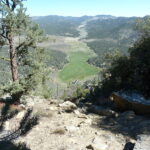
CIRCLE J – NORRIS RANCH

COLONEL ALLENSWORTH STATE HISTORIC PARK

CUTLER PARK

DILLONWOOD GROVE AND DILLON MILL

DINUBA SOUTHERN PACIFIC DEPOT MUSEUM

DOMELAND WILDERNESS

DRY CREEK PRESERVE

ELSTER BUILDING

FARM LABOR AND AG MUSEUM

FIRST CONGREGATIONAL CHURCH of PORTERVILLE

FIRST CONGREGATIONAL CHURCH of PORTERVILLE: ITS MIGHTY WURLITZER STILL SINGS

FOUNTAIN SPRINGS

FOX THEATRE